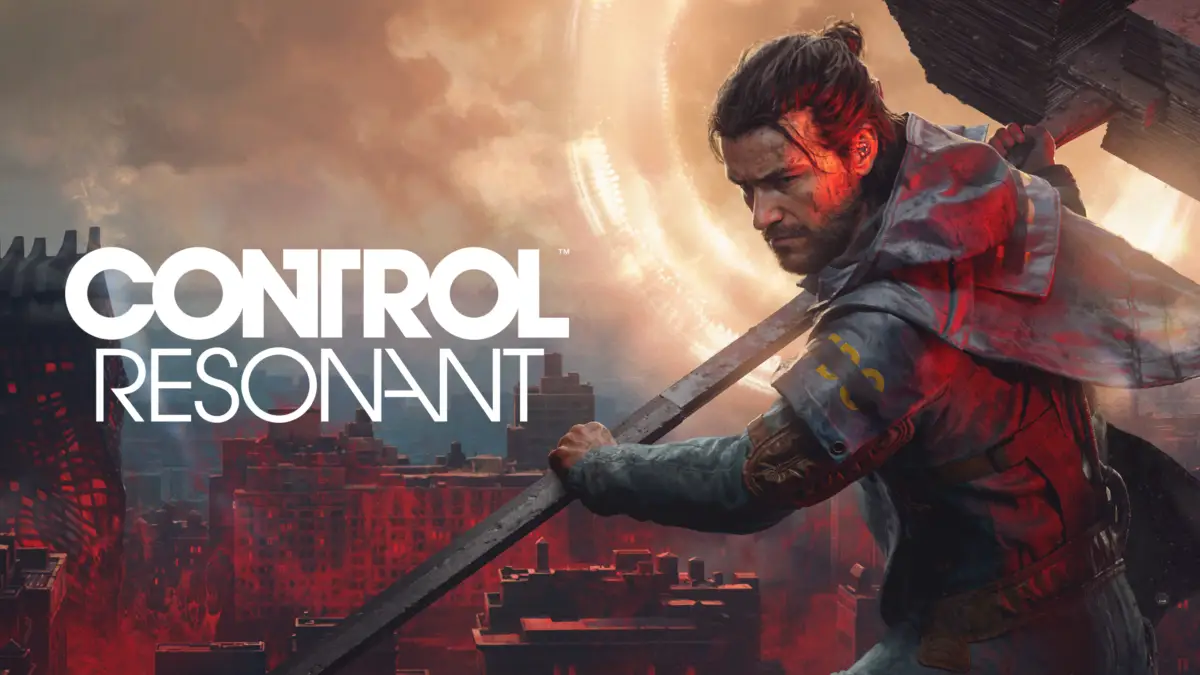
TL;DR: Remedy pretty much ditched everything that made Control feel like Control. Resonant gives you melee combat, a gravity-flipping Manhattan, a map you cannot make heads or tails of, and Dylan Faden. Thing is, it works, but the combat feels repetitive, and with how messed up you felt after the first game’s story, it takes a little bit of time to trust Dylan as your character.
I played the first Control game more than once.
And each time it felt like I’d found something new and weird. I went back expecting to bounce off it again and ended up finishing it at 2 am on a work night.
So, when I got my hands on Control Resonant, I had some expectations. And Remedy immediately did something I didn’t expect.
They threw out everything I loved about the first game and started over.
This Isn’t the Control You Remember
The first Control was all corridors, brutalist architecture, one building that kept rearranging itself, and Jesse with her new hiss powers and a gun (the service weapon) swiped from the director’s corpse.
Control Resonant throws that out completely.
The FBC building is not the only place to explore anymore. You’re in Manhattan now. Not a building—a city. And it’s warped, quarantined, and ripped apart by something called the Pattern.
Remedy calls it “open-ended” rather than open-world, and they mean it. The world is divided into large zones instead of a seamless sandbox. Each one has its own feel, its own threats, its own secrets buried inside of it.
But the thing that makes it actually fun to move through is Shift.
You’re not playing as Jesse anymore. You play as Dylan now.
He can flip his center of gravity. Walk on walls. Run across ceilings. Reorient mid-air through sections of the city that are literally upside down. I spent the first hour just messing around with it before doing anything the game asked me to do.
Getting from A to B in most open-world games is a chore. In Resonant, it’s the highlight.
They Took the Gun Away
The “Service Weapon” is not there anymore.
Dylan fights with the Aberrant — a shapeshifting weapon that’s basically fused to him. It morphs between Dual Blades, Axe, Scythe, Whip, and Heavy Hammer. Melee attacks fill your Combat Ability meter. Supernatural powers — telekinesis, elemental blasts — create openings for big executions.
The DMC comparisons are everywhere in reviews, and they’re not wrong.
Early on, this thing is a blast. Chaining form switches, launching debris at guys, and flipping gravity mid-combo to attack from a different angle. It feels creative in a way most action games don’t bother with.
Here’s my honest take on the late game, though—the enemy variety just doesn’t keep up. By hour 15 or so, you’ve already seen most of what the game throws at you. The combat stops surprising you. It doesn’t become bad, but it becomes routine, and routine is the last thing a Remedy game should feel like.
The Resonant hunt system patches this somewhat. Kill a major boss, and a new cycle starts—Manhattan gets harder modifiers kick in, and pressure gets more intense. It gives late-game players something to chase and keeps things from fully flatlining. But it’s clearly there to make up for something the base game doesn’t fully solve.
Dylan Is Not Who You Expect
Everyone I talked to before launch was worried about this. Jesse was great. Why replace her?
I get it now.
Dylan spent seven years locked up inside the Oldest House while Jesse ran the FBC. He wasn’t a prisoner exactly — more like a test subject who also happened to be the director’s brother. When the FBC lets him out into a collapsing Manhattan, he’s still got the shock collar on. The institution that imprisoned him is the same one telling him to save the day.
That’s a genuinely interesting setup, and the game earns it slowly.
He’s not cool. He’s not capable in that effortless Jesse way. He’s disoriented, impulsive, bad at trusting people, working through something he can’t name. And the whole game is about whether he can hold himself together long enough to find his sister.
Courtney Hope’s Jesse showing up throughout is the emotional spine of the whole thing. Every scene they share lands because of her performance. Best work in any Remedy game, I’ll die on that hill.
The middle chapters drag, and the ending will divide people — but Dylan gets there. Give him time.
So Should You Buy It?
84 on Metacritic. 84% of critics recommend it. User score 8.9. GameSpot gave it a 9, Vice gave it a 10, PlayStation Lifestyle gave it a 7. That spread tells you everything about who this game is for.
Played the first Control? Yes, buy it. This pays off threads from the original in ways that genuinely surprised me.
Never played Control? Play the original first. Resonant is technically standalone, but Jesse’s history with Dylan hits completely different if you know where she came from.
On a PC with mid-range hardware? Check benchmarks before buying. It’s been patched a lot since launch but still has quirks on certain setups.
One last thing — New Game Plus carries over everything. Aberrant upgrades, abilities, Artifacts, all of it. A second run through harder Cycles with a fully built Dylan is a different game. The replayability here is genuine, not just a checkbox.
Frequently Asked Questions
Do I need to play the first Control? Technically no. But you’ll get way more out of Resonant if you did — the original is cheap now and worth playing first.
Is this an open world game? Not exactly. Remedy calls it “open-ended” — large connected zones across Manhattan rather than a traditional open world. Denser and more authored than most open worlds.
Where did the guns go? Gone. Dylan fights exclusively with the Aberrant melee weapon and paranatural abilities. No Service Weapon, no firearms at all.
How long is Control Resonant? Main story is around 20-25 hours. With Resonant hunts and optional content, expect 35-40. New Game Plus adds a full second run.
Is it better than the first Control? Different more than better. The first game had a tense atmosphere and more iconic design. Resonant has better characters, more freedom, and stronger traversal. Depends on what you value.
Is Control Resonant on Game Pass? Not at launch. Digital on PS5, Xbox Series X/S, and PC from September 24, 2026. Physical copies from October 15, 2026.