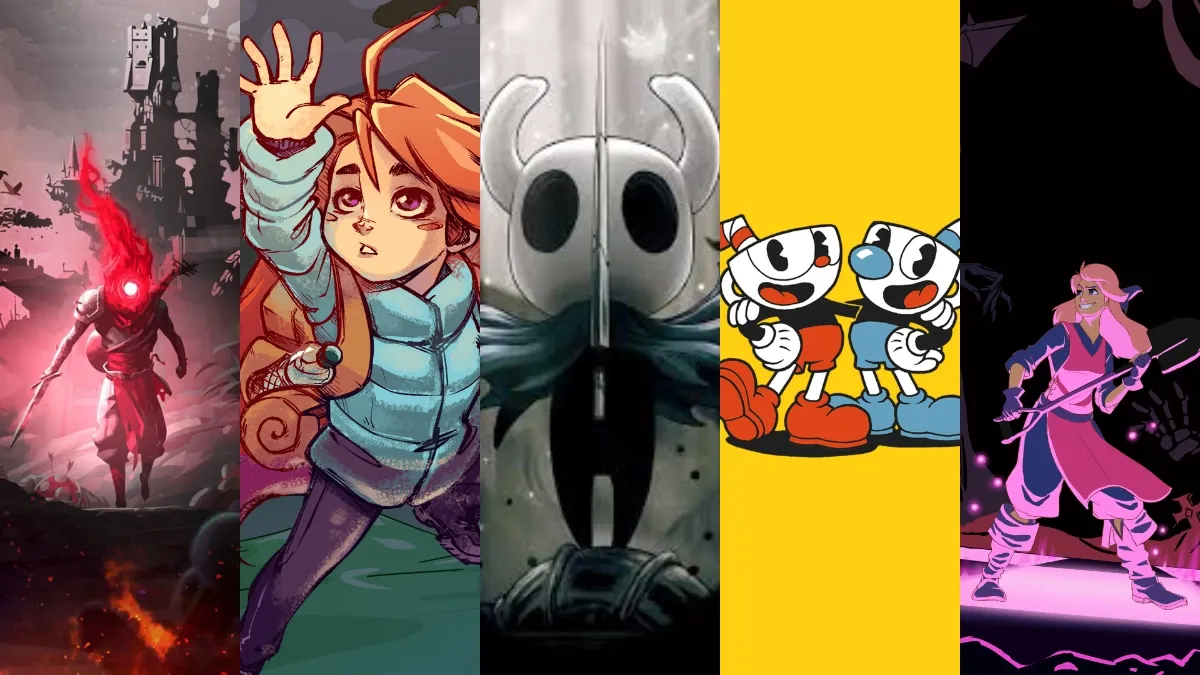
TL;DR: If you just want the quick answer — Hollow Knight and Celeste will humble you nicely. Cuphead and Super Meat Boy will make you question your life choices. Rain World and FTL will do it quietly, without even raising their voice. And Binding of Isaac will just… take your whole weekend. The rest of this list only gets worse from there.
In video games, there’s hard. And then there’s indie game hard.
AAA games give you difficulty sliders, waypoints, and a loading screen tip every time you die just to make sure you feel okay about yourself. Indie games? They just watch you fail. Over and over. Sometimes they don’t even explain why.
That’s not a complaint. That’s the whole point.
The best hard indie games make you earn every win you get. You’re not just pressing buttons in the right order — you’re learning something. Building a skill. And when you finally crack that boss or clear that level, the dopamine hit is unlike anything a handholding AAA game will ever give you.
This is a list of the 15 hardest indie games ever made. Not the most reviewed. Not the most popular. The ones that actually test you.
1. Hollow Knight
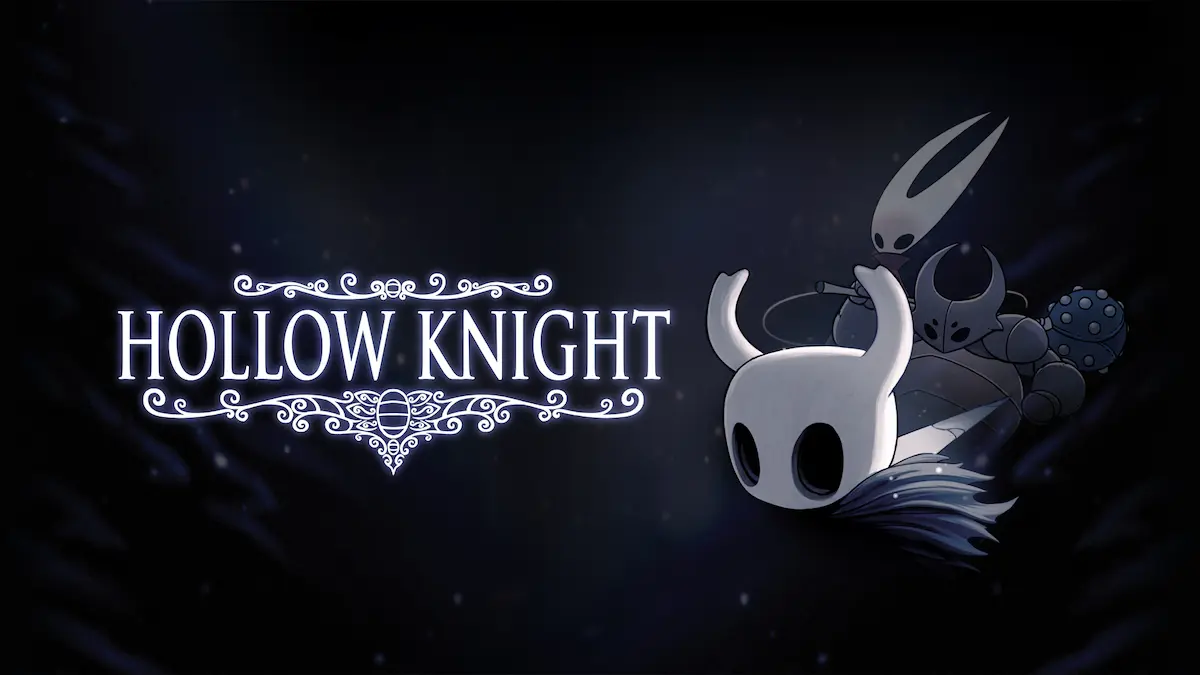
Hollow Knight looks like a cute bug game.
It is not a cute bug game.
What it actually is — is a massive underground world that slowly, quietly reveals just how deep it goes and how much it expects from you. The combat starts simple. Dodge, hit, heal. Then the enemies get smarter. The bosses get nastier. The areas get darker.
And then you find the Pantheon of Hallownest.
The Pantheon is the real Hollow Knight. It takes every boss in the game — including the hardest ones — chains them together, and asks you to beat them all in one run without dying. If you die on boss 40, you go back to boss one.
No checkpoints. No shortcuts. Full mastery or nothing.
Most people never finish it. The ones who do don’t forget it.
The Radiance fight alone has ended more gaming sessions than any other boss in indie history. Ask anyone who got there. They’ll go quiet for a second before answering.
2. Celeste
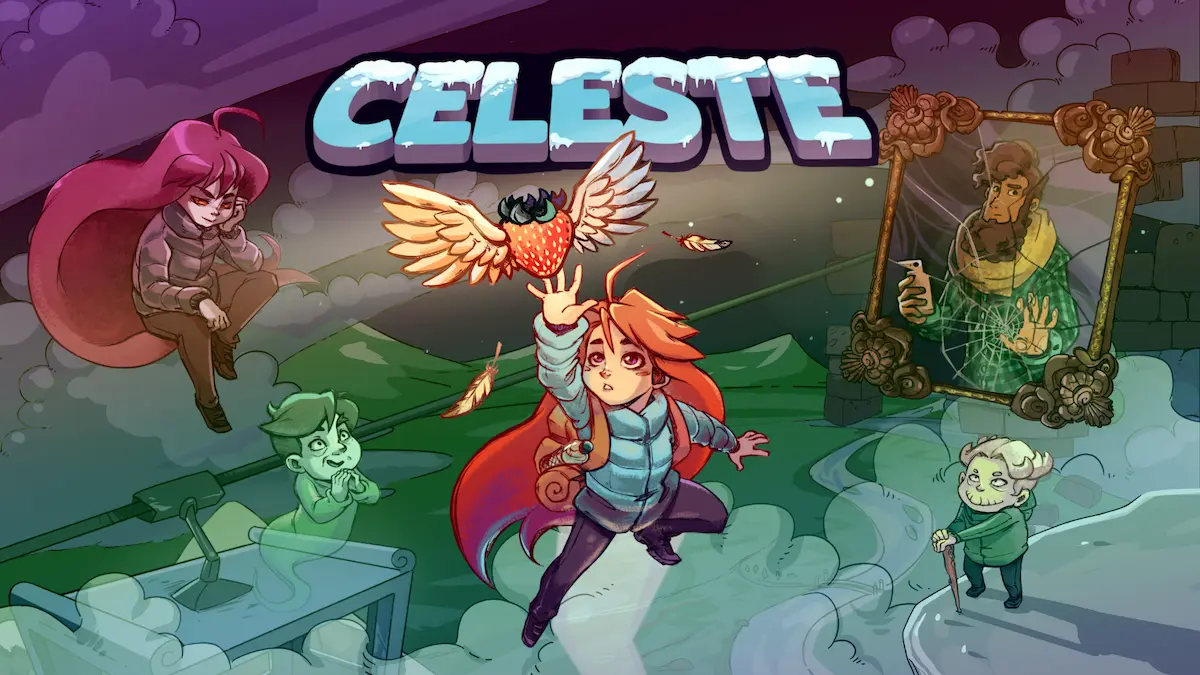
Here’s what makes Celeste special — it knows you’re struggling.
The game literally has an assist mode. The developer built it in on purpose, openly, without judgment. You can slow the game down, give yourself infinite stamina, turn on invincibility. Nobody is stopping you.
And somehow, knowing that safety net exists makes you want to never touch it.
The main campaign is tough but fair. The B-sides are brutal. The C-sides are another thing entirely — each one is a pure skill test with almost no margin for error. You’re talking pixel-perfect jumps, frame-perfect dashes, whole sequences where one mistake sends you back to the beginning.
Then there’s Farewell — the DLC chapter. It is the hardest platforming content in any mainstream indie game. Period. Some players spent 30+ hours on a single section.
What makes Celeste different from other hard games is the feeling of it. Every death makes sense. The game is never unfair. You failed because you weren’t good enough yet — and the next attempt, you’re slightly better. That feedback loop is addictive in a way that makes even the rage feel worth it.
3. Cuphead
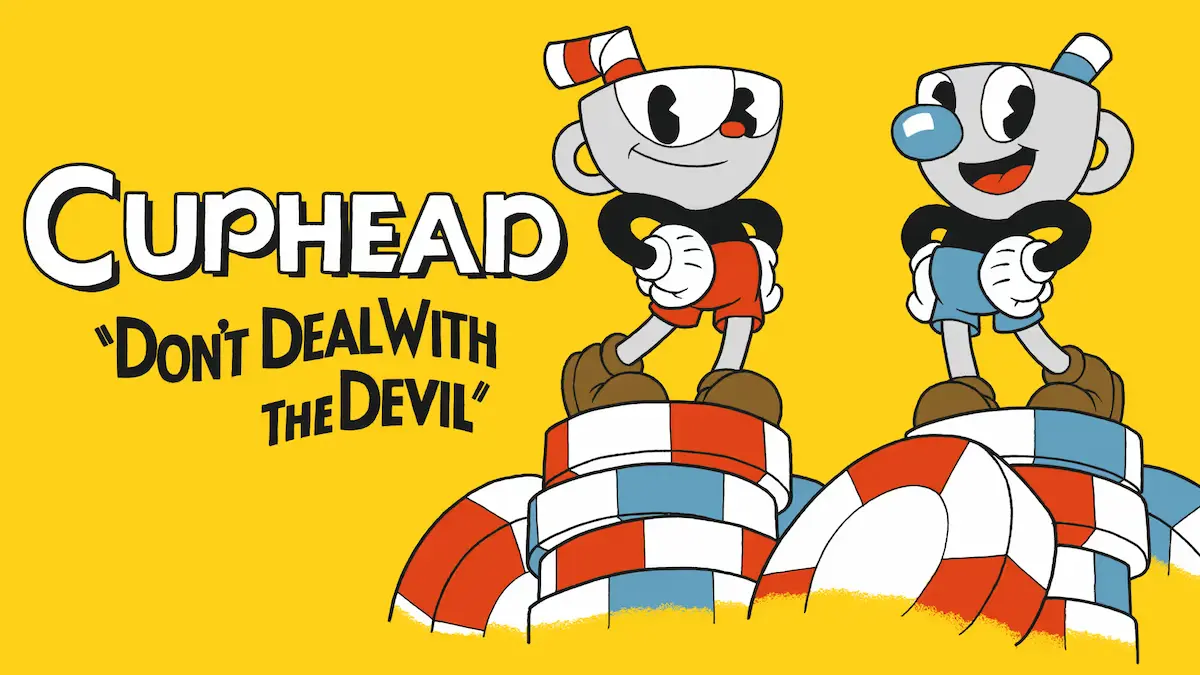
Cuphead is a 1930s cartoon. A beautiful, hand-drawn, frame-by-frame animated game that looks like it belongs in a museum.
It will absolutely destroy you.
Almost every level is a boss fight. No warmup. No tutorial boss. The very first enemy you fight is a full multi-phase encounter with attack patterns you need to memorize. Die, study what killed you, try again. Die again. Try again.
The thing about Cuphead is that it never feels unfair — it feels exact. Every attack has a pattern. Every pattern can be learned. But learning it takes dying. A lot. People average 30-40 deaths per boss on their first playthrough and that’s completely normal.
The King Dice fight and the final Dr. Kahl’s Robot stage are the ones most people cite as the moments Cuphead stopped being fun and started being a genuine test of will.
Finish it and you’ll have bragging rights. Genuinely.
4. Super Meat Boy
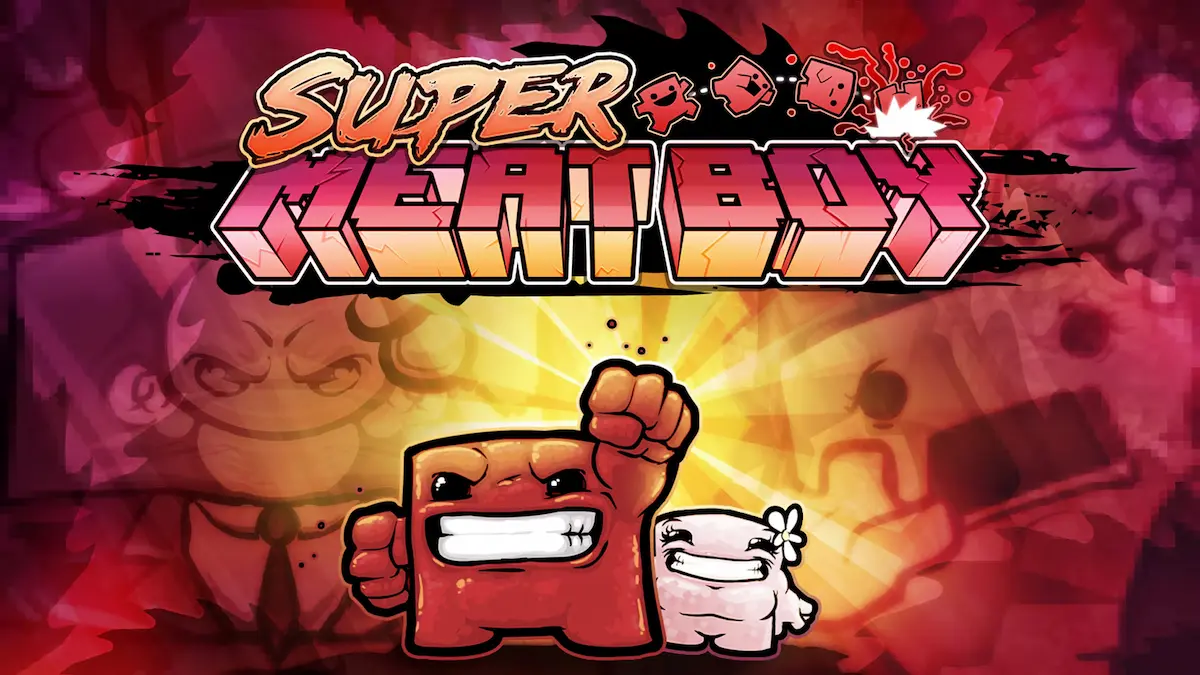
Super Meat Boy is fast. Brutally, stupidly fast.
You die instantly to everything. Saw blades. Spikes. Salt. One touch and you’re dead. The game then immediately throws you back into the level — no loading screen, no animation — just straight back to the start.
This is intentional. The game wants you to try again immediately before the frustration can settle. And somehow it works.
The levels are short. Most take under 30 seconds to complete. But getting those 30 seconds right might take you 200 attempts. The Dark World versions of every level are even worse — same layout, harder obstacles, less room for error.
The Cotton Alley Dark World is widely considered one of the hardest platforming challenges in gaming history. Not just indie gaming. All of gaming.
What’s wild is that after enough deaths, Meat Boy starts to feel smooth. The controls are so tight that when you finally click with the game, it feels like flying. Getting there is the hard part.
5. Spelunky 2
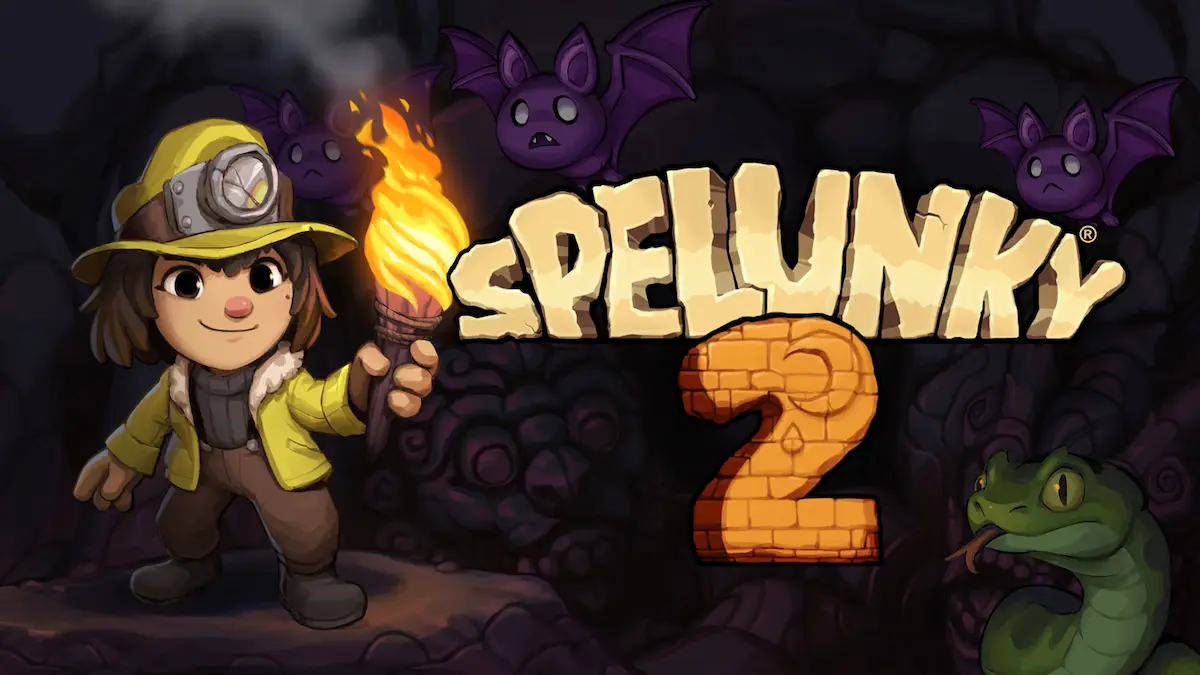
Everything in Spelunky 2 wants to kill you. The part that stings is that most of it was your fault.
The original was already brutal. The sequel added more layers, more enemies, more ways to accidentally trigger a chain reaction that ends a good run in three seconds flat. You’ll blow yourself up with your own bomb. You’ll anger a shopkeeper and spend the rest of the run being hunted. You’ll drop a torch at the wrong moment and watch the whole screen catch fire.
The Cosmic Ocean — the game’s deepest area — requires completing a very specific sequence of actions across multiple runs just to access. Most players never get there. Those who do tend to describe it with the kind of reverence people use for things that actually hurt them.
You shouldn’t have trusted that shopkeeper, by the way. You know which moment I mean.
6. Rain World
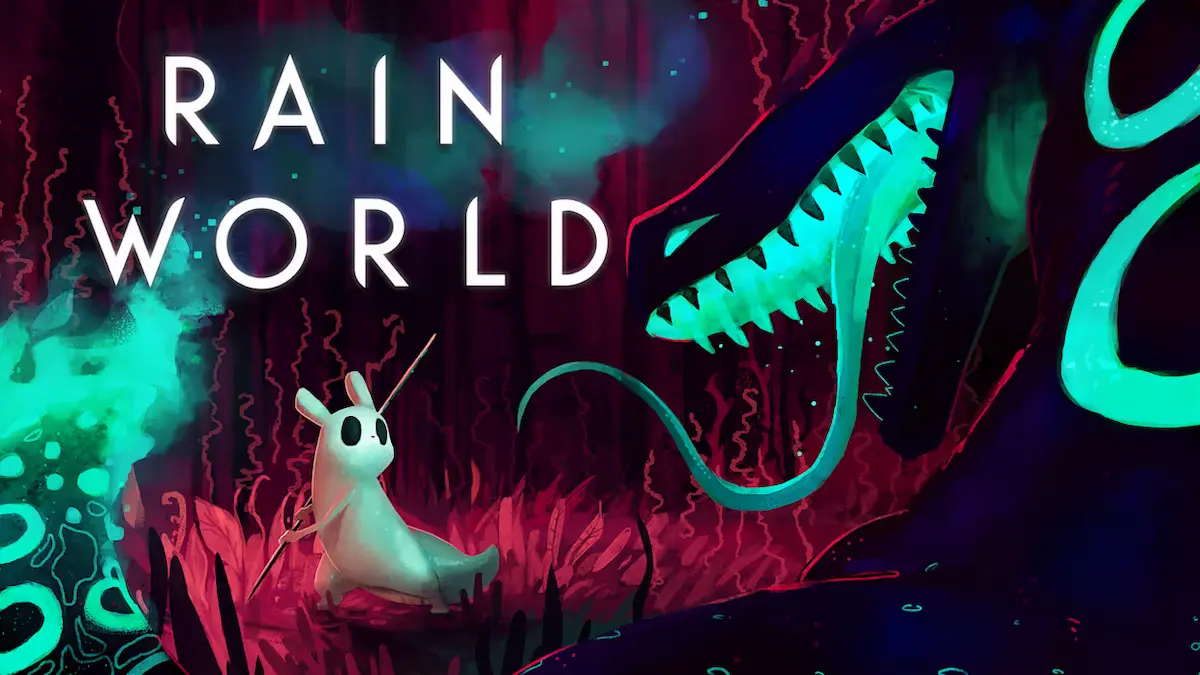
Most people haven’t played this. Most people who start it quit before it opens up. That’s a shame — and also kind of the point.
You’re a slugcat. Small, soft, slow. The world around you is full of things that are bigger, faster, and completely indifferent to your survival. The predators in Rain World aren’t scripted. They have actual AI — they hunt, they remember where you went, they learn your patterns, they communicate. You are not the hero of this ecosystem. You are prey.
The game gives you almost nothing in terms of direction. The map is confusing. The mechanics aren’t explained. You figure things out by dying inside this world until enough sticks.
Here’s what makes Rain World different from every other hard game on this list — it’s not trying to challenge you. Cuphead is designed to test you. Celeste is designed to push you. Rain World just exists, and you happen to be in it, and surviving is your problem not the game’s. The difficulty isn’t a feature. It’s a consequence of the world being what it is.
That shift in framing changes how failure feels. You’re not losing to a game mechanic. You’re losing to a creature that was just living its life.
It’s also strangely beautiful. Which makes dying in it worse somehow.
7. The Binding of Isaac: Repentance
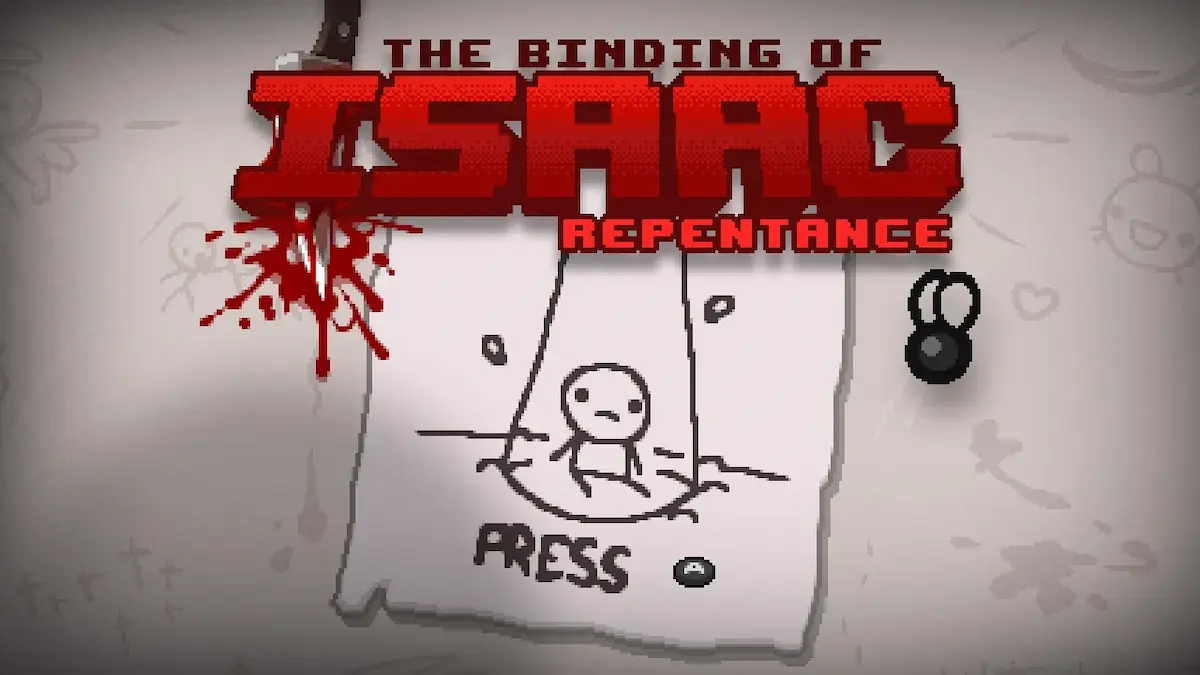
The Binding of Isaac has been getting harder updates and expansions for over a decade.
Repentance — the final major expansion — is the hardest the game has ever been.
On the surface it’s a top-down dungeon shooter. You collect items, fight bosses, clear rooms. Simple enough. But the item interactions go deep. Hundreds of items that combine in ways the game never explains. Some combinations are broken and overpowered. Some end your run. Some do things nobody fully understands even after thousands of hours.
The hardest challenge — Completion Marks on Tainted characters — requires mastering 34 characters across multiple difficulty modes, each with their own mechanics, weaknesses, and cursed item pool. Getting every mark is a project that takes hundreds of hours even for skilled players.
And the final boss? Some people have played 500+ hours and still never seen the true ending.
8. Dead Cells
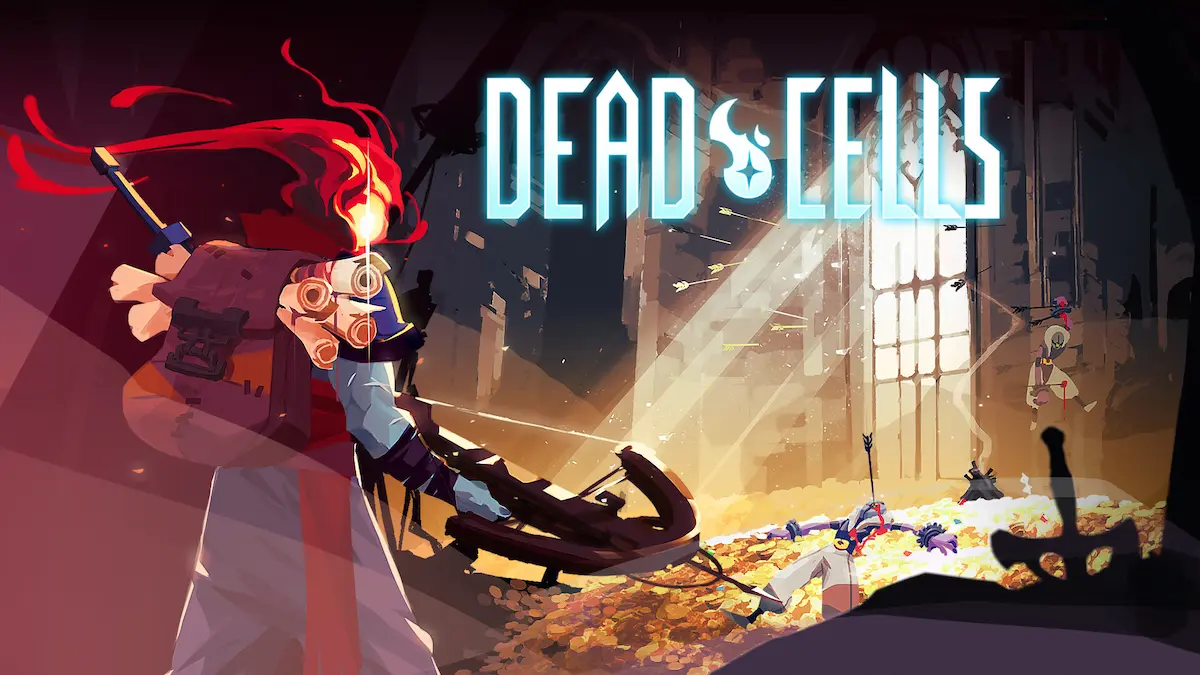
Dead Cells throws you into combat immediately and never once lets you settle.
Every enemy in this game punishes passivity. Stand still too long and you’re dead. Spam attacks without watching patterns and you’re dead. The Boss Stem Cell system — where you add permanent difficulty modifiers to your runs as a reward for beating bosses — means the game can always get harder no matter how good you get.
5 Boss Stem Cell mode is a different game entirely from what new players experience. Every enemy hits harder, moves faster, and there are new hazards layered over the already punishing base game.
The skill ceiling in Dead Cells is genuinely one of the highest in any action game, indie or otherwise. Watching someone play at max difficulty looks like a completely different game from what you started with.
9. FTL: Faster Than Light
FTL looks like a small strategy game from 2012.
It is one of the most ruthlessly difficult games ever made.
You control a spaceship trying to outrun a rebel fleet across a randomly generated galaxy. Each sector brings new encounters — alien ships, asteroids, distress beacons, pirates. Every decision has consequences. Every fire you don’t put out in time can cascade into a destroyed oxygen room.
And the final boss — the Rebel Flagship — has ended more runs than any other moment in the game. You can play perfectly for an hour, make one questionable call in the final fight, and watch your entire crew die in slow motion as your ship falls apart.
Normal mode has a roughly 3% win rate for new players. Easy mode hovers around 10-15%.
Those numbers should tell you everything.
10. Furi
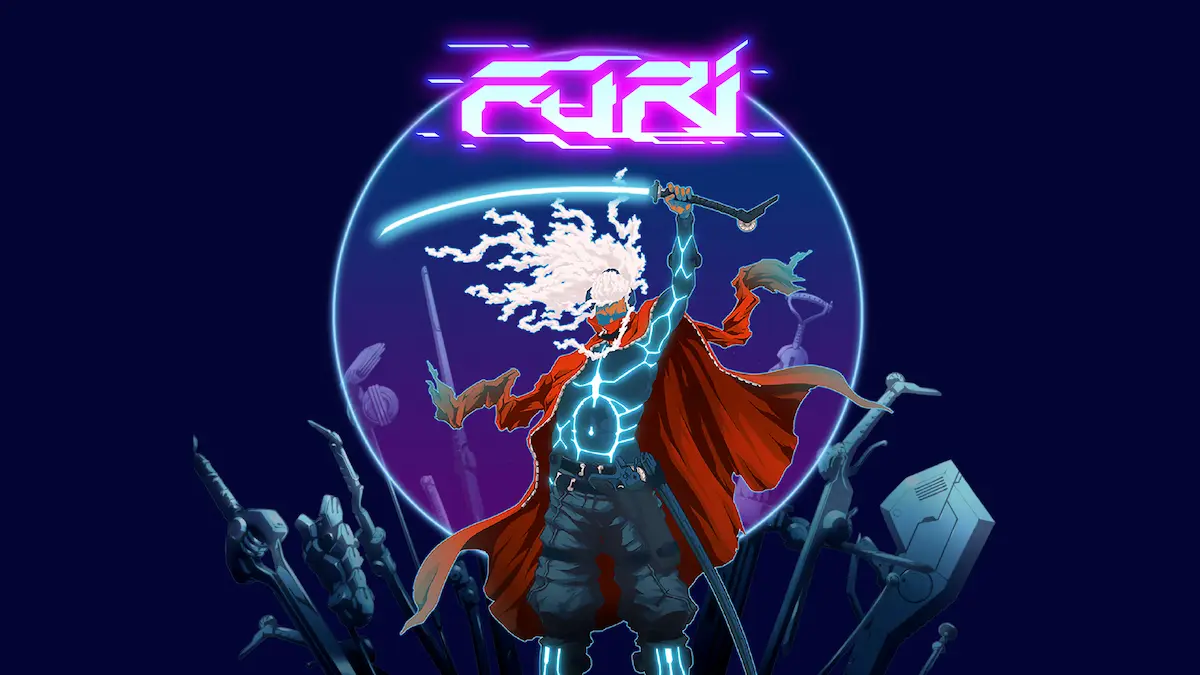
No levels. No exploration. Just boss fights, back to back, until you run out of patience or get good.
The thing that makes Furi genuinely cruel is how you heal — by parrying bullets. Not by hiding. Not by finding a health pack. You survive by being better than the thing trying to kill you, in real time, under pressure. There’s no passive recovery. No breathing room.
Five hours long on paper. Significantly longer when you factor in dying on the same boss for ninety minutes because you keep flinching on the last phase.
11. Darkest Dungeon
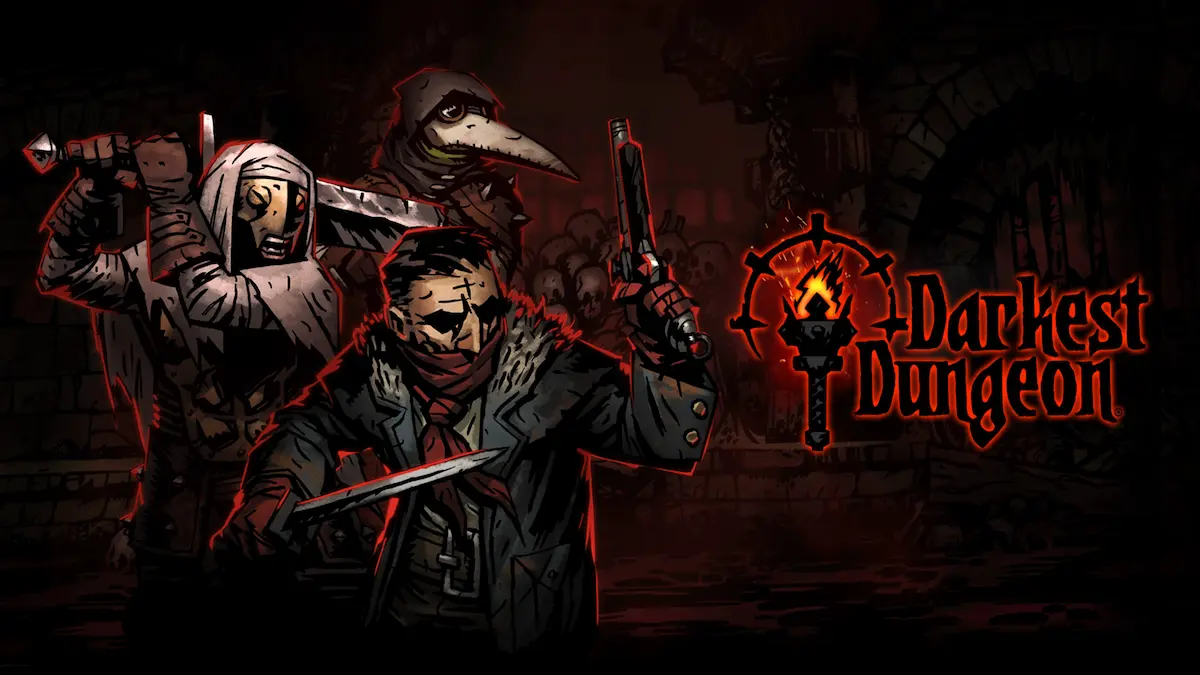
Darkest Dungeon doesn’t just kill your characters. It breaks them down first, slowly, then kills them while they’re already spiraling.
Stress is a mechanic. Your heroes accumulate it as they fight. Max it out and they have a heart attack mid-combat. Survive that, and now they’ve developed permanent paranoia, masochism, or a fear of some random object that tanks their stats in specific rooms forever.
You will lose characters you spent hours building. That’s not bad luck — that’s the game. The whole design is built around managing loss rather than preventing it. You draft heroes knowing some won’t come back. You run dungeons knowing the risk.
The final area asks you to send your best people into situations they might not survive, with no retreat option and no guarantee. Watching a character you’ve developed for 20 hours die to a bad dice roll in the last room of the last dungeon is a specific kind of awful that Darkest Dungeon does better than any other game.
12. Crypt of the NecroDancer
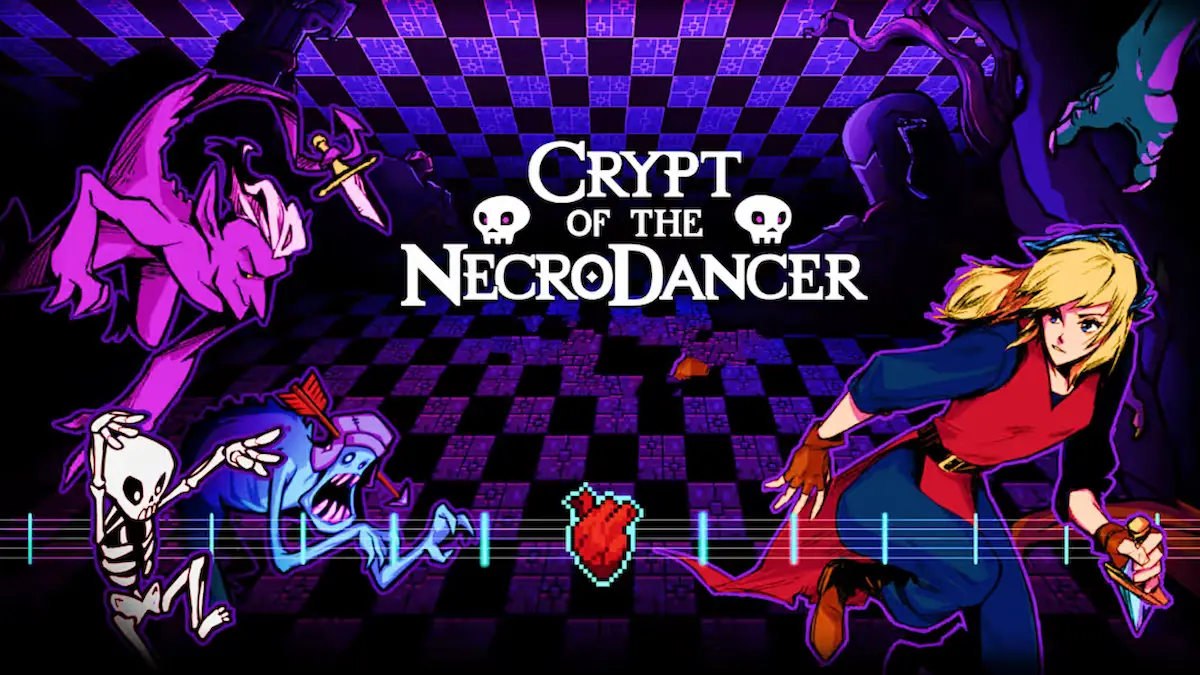
Everything — movement, attacks, dodging — has to land on the beat. Miss the rhythm and you get hit. It sounds gimmicky until you realize how brutally the difficulty scales.
Aria mode is one-hit kills with no grace period. Coda mode — which you have to unlock by beating the game with every other character — gives you one hit. One. For the whole game.
There’s nothing else like it when the rhythm clicks. Getting there is a different conversation entirely.
13. Slay the Spire
Slay the Spire looks chill. A deck-building card game. How hard can it be?
The Ascension system answers that question.
After beating the game once, Ascension 1 unlocks — a slightly harder version. Beat that, Ascension 2 unlocks. This goes all the way to Ascension 20, where every modifier stacks and the game becomes a grueling test of build knowledge, card synergies, and decision-making that gives you almost no room to improvise.
Getting to Ascension 20 on all four characters is one of the longest difficulty curves in any roguelike. And even then, the true final boss requires specific knowledge to even access, let alone defeat.
What makes it brutal isn’t reflexes — it’s decisions. Every bad card pick is a future problem. Every wasted relic is a missed power spike. The punishment is slow and then sudden.
14. I Wanna Be the Guy
One person made this in 2007 and it’s still being talked about — which tells you everything about what it did to people.
Fruit falls upward and kills you. Spikes appear from ceilings that looked fine. The moon falls on you. The game cheats, openly, and expects you to learn its lies through dying. There’s no skill expression here in the traditional sense — it’s pure pattern memorization through repeated death, over and over, until the traps are burned into your brain.
It spawned an entire generation of “kaizo” style games. Every brutal platformer that came after it owes something to this thing.
Unfair? Yes. Worth playing? Also yes — but only if you find a strange kind of peace in dying 400 times on a single screen.
15. Returnal
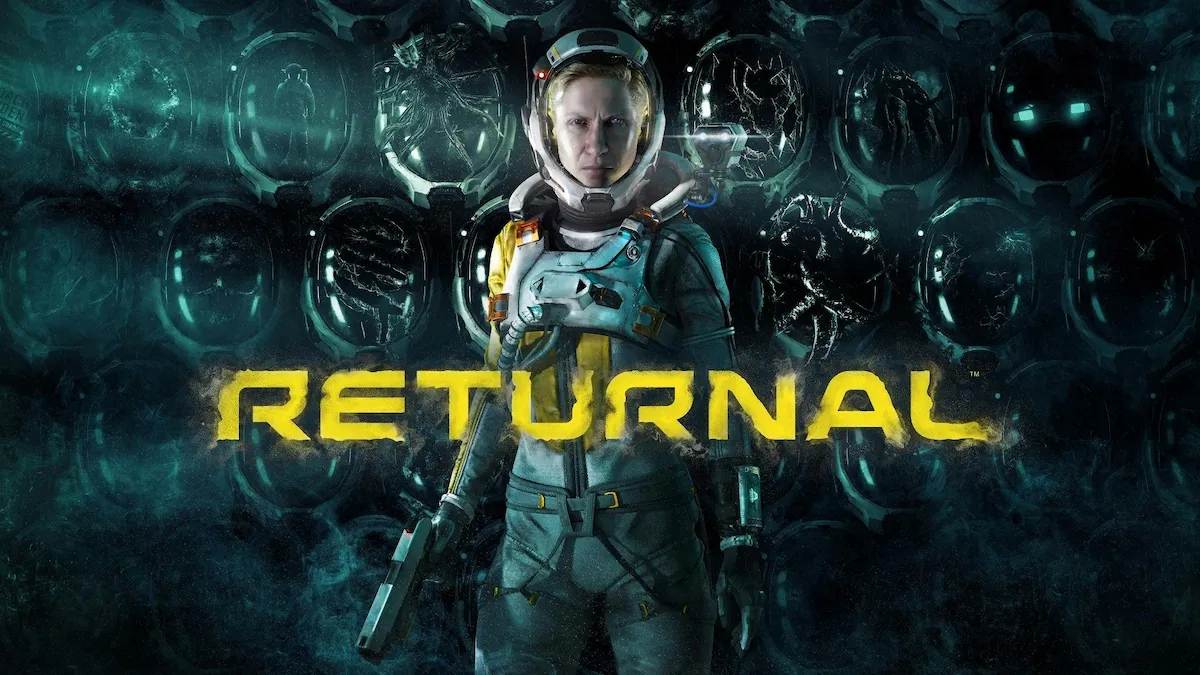
Grey area on the “indie” label — it’s a Sony-published game — but the difficulty is pure indie and it earns its spot.
You’re stuck in a time loop on an alien planet. Every death resets almost everything. The first boss ends most people’s sessions for the night. The third biome is where a significant chunk of players quietly uninstall and never mention it again.
What separates Returnal from everything else on this list is the atmosphere sitting underneath the difficulty. The loop doesn’t just feel like a game mechanic — it feels oppressive. The planet doesn’t care. The story doesn’t explain itself. You’re alone out there, dying, picking up slightly more understanding each time like breadcrumbs in the dark.
There’s a version of Returnal — on the other side of the learning curve — that is one of the best games of the last five years.
Most people don’t get there. The ones who do talk about it differently than they talk about other games.
Honorable Mentions
Games that almost made the list:
Downwell — Simple controls, impossibly tight execution required. Short but savage.
Nuclear Throne — Roguelike shooter where you will die before you understand what killed you.
Sifu — Age up every time you die. Run out of lives and it’s over. Learning it is the whole game.
Hades 2 — The sequel is harder than the first and the first was already no joke.
Cave Story — Deceptively brutal late game, especially on hard mode. A classic for good reason.
FAQ
What is the hardest indie game ever made? Most players and critics point to Hollow Knight’s Pantheon of Hallownest as the single hardest challenge in indie gaming — requiring you to beat every boss in the game back-to-back without dying. Outside of that, Celeste’s C-sides and Cuphead on Expert are consistently ranked at the top.
What is the hardest indie game for beginners to try? If you want a hard game that teaches you properly, start with Celeste or Dead Cells. Both are brutal but fair — deaths feel like lessons, not punishments. Avoid Rain World and FTL until you’re comfortable with hard games.
Are hard indie games worth playing? Yes — if you have patience. The satisfaction of beating a genuinely difficult game is something easier games can’t replicate. The wins feel earned in a way that changes how the whole experience feels.
What’s the hardest roguelike indie game? Binding of Isaac: Repentance on its hardest completion marks is probably the deepest rabbit hole. Spelunky 2’s Cosmic Ocean and Slay the Spire’s Ascension 20 are close behind.
Which of these is hardest on a first playthrough? FTL on Normal mode and Rain World are probably the most punishing for first-time players — both assume you’ll figure things out through repeated failure with minimal guidance.