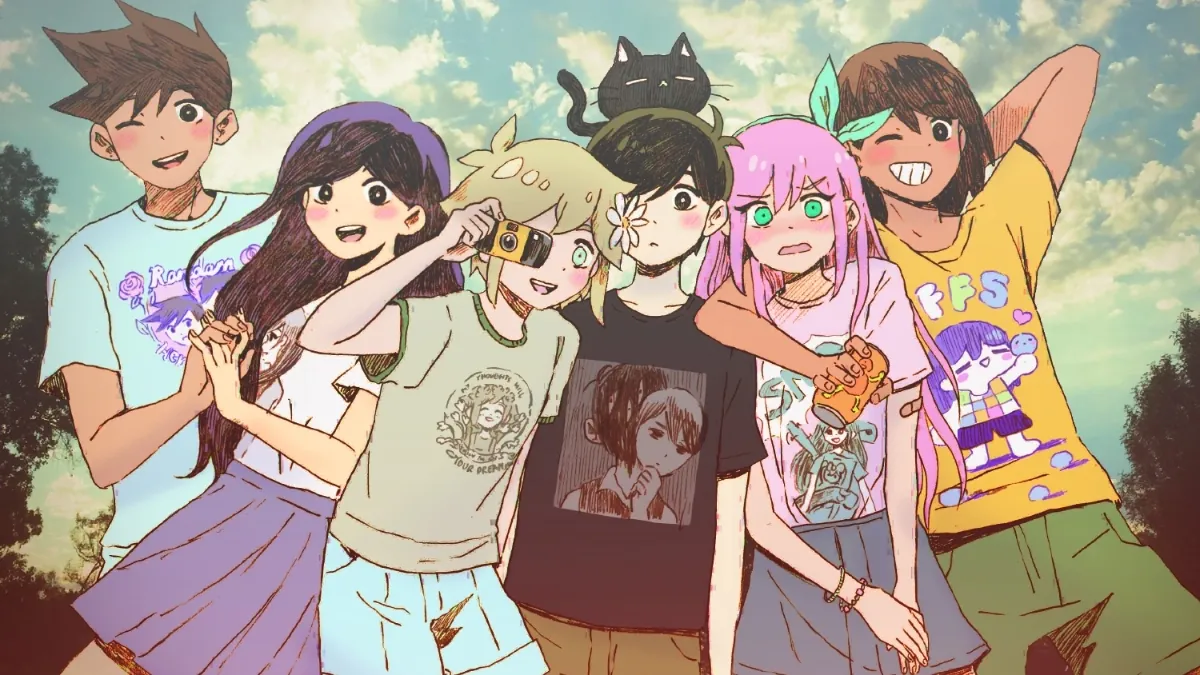
TL;DR: Omori has a handful of jump scares but none of them will make you scream. The horror is slow, psychological, and builds from understanding what’s happening rather than being startled by it. If you can handle Doki Doki Literature Club you can handle Omori. What you actually need to prepare for is the subject matter — grief, depression, anxiety, suicide. That’s the part that stays with you.
You open Steam and see a cute, hand-drawn RPG. It’s all colorful friends, weird creatures, and “adventures.” Then you see the tags: Psychological Horror. It looks like a mistake. Like someone accidentally tagged a Pokémon clone with a Creepypasta label.
Now you’re here, asking what everyone asks before they commit: Is Omori actually a horror game?
Short answer: Yes. But it’s not what you think it is.
The long answer… it’s a bit of a mixed bag.
Most horror games want to scream in your face. Omori just wants to make you uncomfortable. It spends 90% of its time acting like a cozy RPG so that the other 10% feels like a glitch in reality. It’s not trying to make you drop your controller.
It’s trying to make you stare at the corner of your room after you turn the console off.
The Jump Scares — What’s Actually There
There are jump scares. Not many. And none of them are FNAF — no sudden wall of sound designed to send your heart into your throat.
They’re more like glimpses.
A figure at the edge of your vision that disappears before you can fully register it. Something wrong in a mirror. A distorted image that appears for half a second in an otherwise cheerful scene. The game shows you just enough to let your brain fill in the rest.
What your brain fills in is usually worse than what’s actually on screen.
Most of the scarier optional content can be avoided entirely. Avoiding mirrors helps a lot. A few moments are unavoidable — one comes early enough that you’ll know within the first hour or two whether the scare level is something you can handle. If that first one doesn’t break you, you’re probably fine.
On a pure scare scale most players put Omori somewhere between a 3 and a 5 out of 10.
Uncomfortable. Not unbearable.
The Part That’s Actually Scary
Here’s what the jump scare question misses entirely.
The real horror in Omori isn’t the distorted images or the figures in the dark. Those are just the surface. The actual horror is the story itself. What it’s about. What it’s been about the whole time. And the slow creeping realization of what you’ve actually been playing through.
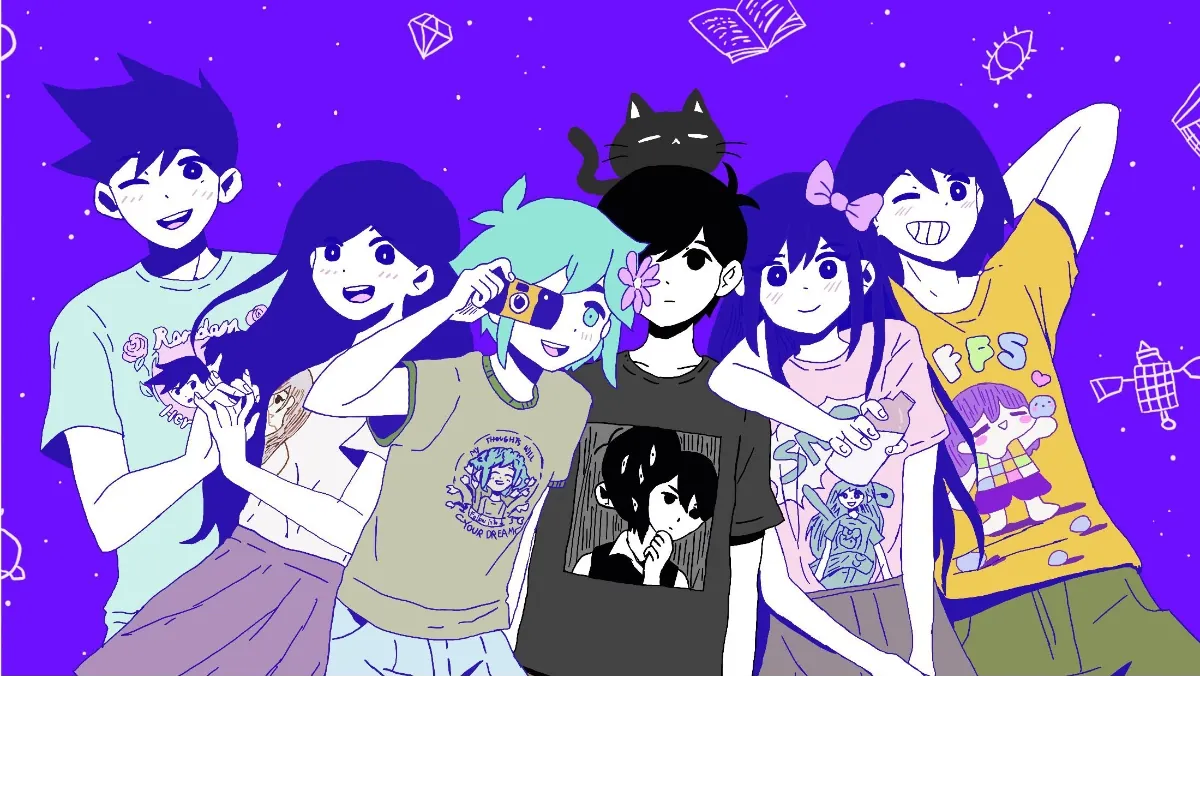
Omori is a game about a boy who retreated into a dream world to avoid something real. The colorful fantasy — the happy adventures, the funny boss fights, the warm friendships — all of it exists as a coping mechanism. A bubble. A place to stay where everything is okay and nothing has to be faced.
As you play, small things start to feel wrong. Not in an obvious horror way. In a quiet, nagging way. Details that don’t quite fit. Moments that feel slightly off. The dream world starts showing its cracks before you understand what those cracks mean.
When the truth finally lands — and it does land, hard — it reframes everything you’ve experienced up to that point. You’ll think back to moments that seemed innocent and realize they weren’t. You’ll understand why certain things were designed the way they were. You’ll feel the weight of information you didn’t know you were carrying.
That’s the horror. Not a jump scare.
The feeling of understanding something you can’t unfeel.
That kind doesn’t go away when you put the controller down. It follows you.
What You Actually Need to Be Prepared For
The jump scares are manageable. What Omori actually deals with — openly, directly, without flinching — is harder.
The game contains:
- Depression and anxiety portrayed with real, uncomfortable accuracy
- Self-harm as part of the gameplay loop — metaphorical, but it’s there from the start
- Suicide as a story element, handled seriously and without sanitizing
- Grief and guilt over the death of someone close
These aren’t shock value. They’re the entire point. The game is built around them from the ground up. Which means if you’re in a difficult place right now — particularly around any of the above — this is worth thinking about carefully before you start.
The game shows content warnings before the title screen. They’re not there for decoration.
If you’re in a good place, Omori handles these themes with more care and intelligence than almost any other game that’s attempted them. But it doesn’t look away.
Who Will Find It Scary
If you’re sensitive to psychological horror — yes. It gets in. The unease builds slowly across 20+ hours and the weight of it at the end is genuinely heavy. You’ll feel it.
If you’re scared specifically of jump scares — you’re probably fine. Mild, mostly avoidable, none of the aggressive loud-noise variety.
If you’re not a horror player at all — the scares are manageable. The emotional story is harder to prepare for than any individual scare in the game.
If you’re affected by mental health themes — take the content warnings seriously. Omori doesn’t soften or sidestep what it’s about.
The Short Answer
Omori is not a traditional horror game.
It uses horror deliberately — the scares exist to put you inside Sunny’s headspace. To make you feel the anxiety and dread he lives with every day. They’re not there to make the game feel like a horror experience. They’re there to make you understand a person.
The disturbing parts disturb you because the story earns them.
That’s a completely different kind of scary. And for a lot of people, it’s the kind that lingers longest.
If you want the full picture of what Omori actually is before deciding whether to play, the review goes deep without spoiling what makes it worth experiencing blind.
FAQ
Does Omori have jump scares?
Yes, but they’re mild. No loud screamer-type scares — mostly brief visual distortions or figures that appear for a second. Several are avoidable. The worst unavoidable one comes early so you’ll know within the first hour whether the scare level is something you can handle.
Is Omori scarier than Doki Doki Literature Club?
Roughly comparable on jump scares — both are mild. Omori has more sustained psychological dread that builds across the whole game. DDLC’s horror is more sudden and shocking. It depends which type affects you more.
Can you avoid the jump scares in Omori?
Most optional horror content can be skipped. The general advice — don’t interact with mirrors unnecessarily, don’t open doors you don’t need to open, skip the darker optional areas if you’re sensitive. A few unavoidable moments exist but they’re front-loaded early.
Is Omori appropriate if I have anxiety?
It depends entirely on the person. The game portrays anxiety with uncomfortable accuracy — some players find that validating, others find it overwhelming. If anxiety around death, grief, or self-harm is something you’re struggling with right now, approach carefully or not at all.
Is Omori actually a horror game?
It’s tagged psychological horror but most players don’t experience it as one. The horror elements serve the story rather than being the point of the game. Think of it as an emotional RPG that uses horror strategically — not a horror game with RPG elements bolted on.