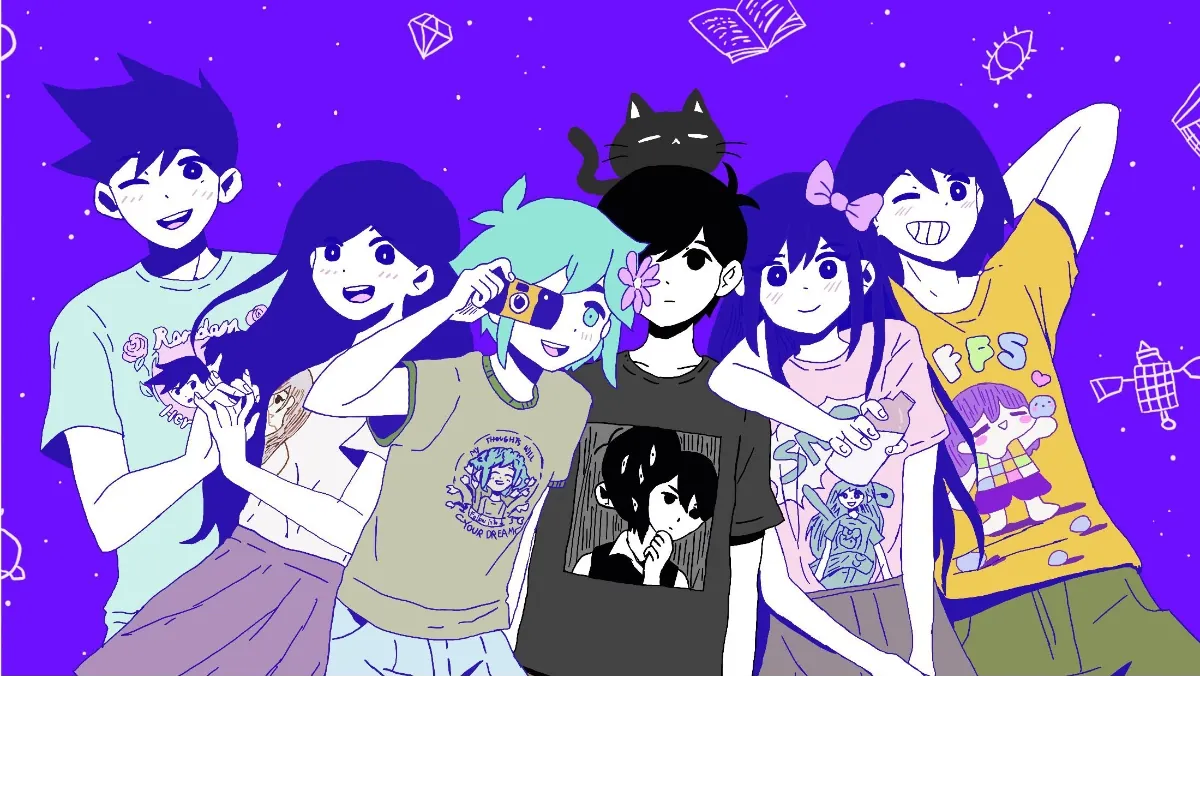
TL;DR: Sunny accidentally killed his sister Mari by pushing her down the stairs during an argument. Basil helped him stage it as a suicide. Sunny buried the guilt so deep he split into two people — the real Sunny, and Omori, a version of himself that could exist in a dream world where none of it happened. The good ending is Sunny choosing to face what he did. The bad ending is Omori winning.
Warning: Full spoilers ahead. If you haven’t finished the game, close this tab and come back after.
So, you just finished Omori.
Maybe you’re sitting in silence. Maybe you closed the game and walked to another room. Maybe you’ve been staring at nothing for a while and you’re not entirely sure why.
And now you’re here, trying to make sense of something that felt like it meant more than a game was supposed to mean.
Let’s talk about it.
What Actually Happened to Mari
The whole game builds to one answer. Here it is.
Sunny pushed Mari down the stairs.
It was an accident. They were arguing — about the violin recital, about pressure, about something that felt unbearably important to two kids and probably wouldn’t have mattered a year later. Mari said something that stung. Sunny snapped. He pushed.
She fell.
She didn’t survive.
Basil was there. He saw everything. And in the chaos of that moment — two children staring at something that couldn’t be undone — Basil made a decision. He convinced Sunny to stage it as a suicide. They found her body where it had fallen and made it look like she’d hanged herself in the garden.
That decision destroyed both of them.
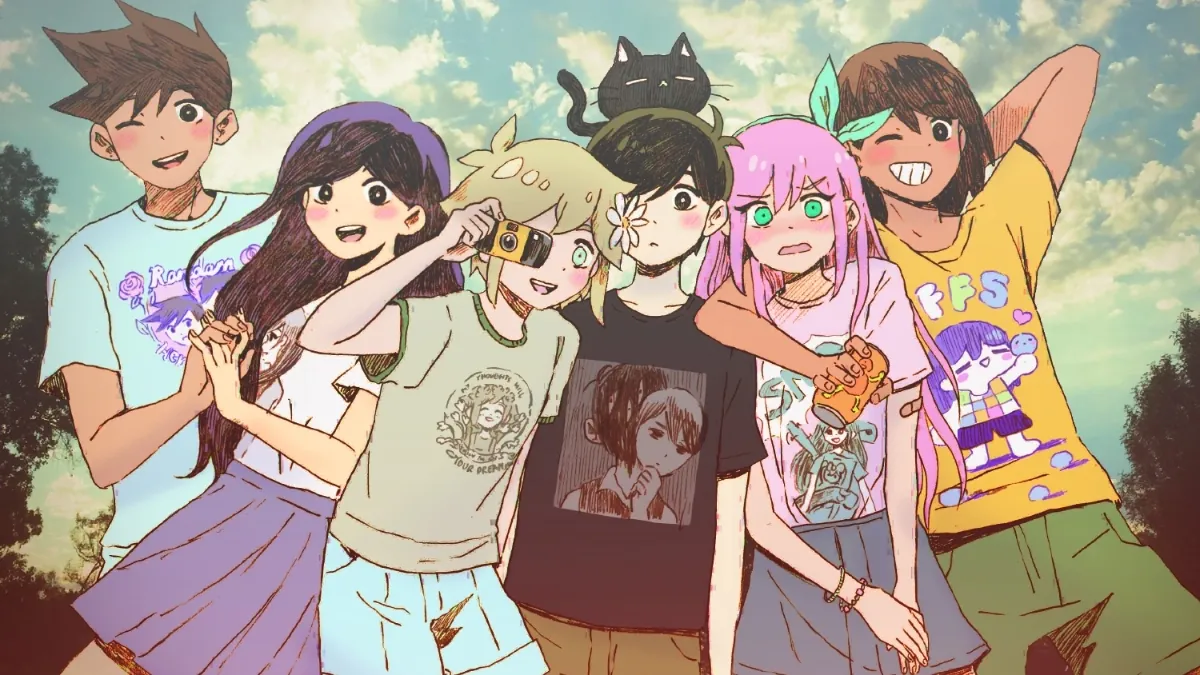
It destroyed the friend group. Hero blamed himself for years because he thought he should have seen the warning signs. Aubrey changed completely — became harder, angrier, buried her grief under a new identity. Kel kept calling Sunny every week for four years even though Sunny never picked up. The friendships didn’t just drift. They rotted. Around a lie that two twelve-year-olds made in a moment of terror.
And Sunny? Sunny stopped being Sunny.
Who Omori Actually Is
Here’s what the game never quite says directly but builds to clearly.
Omori is not a character. He’s a coping mechanism.

Sunny’s guilt was so total, so inescapable, that he couldn’t survive as himself. So he created a version of himself that could — a blank, emotionless presence who could exist in a dream world where Mari never died. Where the friend group was still whole. Where nothing had to be faced.
Headspace isn’t a game mechanic. It’s a dissociative state. A retreat. A place Sunny built inside his own mind so he wouldn’t have to be Sunny anymore.
The dream versions of his friends are constructed from memory and guilt. The happiest versions of them. The versions that existed before. Sunny gets to keep them there, safe, frozen in the moment before everything broke.
Something — the dark figure that stalks Omori throughout Headspace — is the truth. It’s what Sunny knows and refuses to acknowledge. Every time Something appears, it’s his memory trying to surface. Every time Omori runs from it, that’s Sunny refusing to face what he did.
The entire dreamworld is both a gift and a prison. It protects Sunny from the unbearable. It also keeps him from living.
The Final Battle — Why You’re Supposed to Lose
The fight against Omori is designed to be unwinnable.
Not as a gameplay quirk. As the point.
Sunny fighting Omori is Sunny fighting himself — fighting the part of him that wants to stay in the dream forever, that says facing the truth will destroy everything, that the grief and guilt and confessions waiting in the real world are worse than the slow suffocation of Headspace.
Omori wins every time in the conventional sense. He always delivers the killing blow. The game sends you to the Game Over screen.
And then it asks you what you want to do.
That question is the whole game distilled into a single moment. Do you keep going? Or do you give up?
If you give up — if you let Sunny surrender to Omori — that’s the bad ending. If you choose to continue, the only move available is to play.
The Good Ending — What “Playing” Means
Sunny picks up his violin.
He plays the duet he and Mari were supposed to perform at the recital on the day she died. The duet they never got to play because of the argument. Because of the push. Because of everything that came after.
As he plays, his memories flash through — good and bad together, inseparable, because that’s how memory actually works. The day Mari died and the thousand days before it when she was alive and warm and present. You can’t have one without the other.
Omori disappears. Not defeated — accepted. Sunny absorbs him. The part of himself that was running away becomes part of the whole again.
He wakes up in the hospital. Covered in bandages. And he cries. For probably the first time in four years, he actually cries.
Then he gets up. He goes to Basil’s room. His friends are there — Kel, Aubrey, Hero — and Sunny says five words.
“I have to tell you something.”
Credits.
Why the Game Ends There
This is the thing that people keep thinking about.
The game doesn’t show you what happens after. It doesn’t tell you if his friends forgive him. It doesn’t resolve whether the confession destroys what little is left of those relationships or begins rebuilding them.
It ends on the moment of courage.
Because that’s where Sunny’s story was always headed — not to forgiveness, which isn’t his to control, but to honesty, which is. The whole arc is about a boy who carried something uncarriable for four years, who built an entire inner world to avoid it, who slowly dismantled that world choice by choice until he could no longer hide from himself.
The ending isn’t “everything is okay.”
It’s “he chose to stop running.”
That distinction is everything. The game understands something most stories don’t — that healing doesn’t begin with resolution. It begins with telling the truth.
The credits song is upbeat. Almost jarringly so. Sunny in the backseat of his mother’s car, watching Faraway Town disappear behind him. Moving on. Carrying what he carries. But facing forward.
The Bad Ending — What It Actually Shows
If you surrender to Omori in the final fight — if Sunny gives up — Omori takes over completely.
You wake up in White Space. Everything looks normal. The door to the Neighbor’s Room is there. Your friends are there. It seems fine.
Then you go upstairs.
You’re on the hospital balcony. Sunny’s dream friends are waving at him from below, inviting him back to Headspace. Back to the world where none of it happened.
And Omori — Sunny now, entirely — steps off.
The bad ending isn’t a punishment for playing wrong. It’s a portrait of what avoidance costs. Sunny didn’t die because he made a bad choice at the end. He died because he spent four years choosing not to live. The balcony is just where that choice finally arrived.
The Neutral Endings — Running Without Facing
There are two neutral endings, both triggered by leaving Basil’s house on the final night instead of confronting him.
In one, Basil dies. Sirens play over the credits. Sunny drives away in his mother’s car, Something still following him — the trauma intact, unaddressed, coming with him wherever he goes.
In the other, Sunny takes the knife from the kitchen. He doesn’t make it to morning.
These aren’t really “neutral.” They’re the consequences of a boy who couldn’t quite bring himself to face it but also couldn’t fully surrender. The tragedy of almost. Of being close enough to the truth to be destroyed by it but not close enough to be saved by it.
The Secret Ending — What It Means
If you watered Basil’s flowers in Headspace throughout the game, something plays after the good ending credits.
Sunny and Basil, alone in their hospital room. They look at each other. And their Somethings — the dark figures that have been following both of them, representing their shared guilt, their shared secret — fade away.
It’s quiet. It’s not dramatic. It doesn’t tell you that everything is fine.
It tells you that two people who have been carrying something together for four years are finally not carrying it alone anymore.
That’s the closest the game comes to hope. And it earns it completely.
The Hikikomori Route — What Happens When Sunny Never Opens the Door
There’s an alternate path. If Sunny never answers Kel’s knocking — never leaves the house, never reconnects — the game expands Headspace significantly and removes the Faraway Town sections entirely.
The hikikomori route ends without resolution. Sunny stays inside. The real world remains inaccessible. His trauma stays sealed.
It isn’t presented as a bad choice. It’s presented as a real one. Some people don’t open the door. Some people can’t. The game knows that and refuses to judge it.
But it also shows where that path leads. Which is nowhere. Which is the point.
What the Ending Is Really About
Omori is a game about a boy who did something terrible by accident and let that accident become his entire identity.
The guilt wasn’t just about Mari. It was about every day after Mari. Every friend he let drift. Every year he chose the dream world over the real one. The accident was the beginning. The four years of absence — that’s the full weight of what he carries.
The good ending doesn’t resolve that weight. It just asks Sunny to stop adding to it. To stop making the choice that he’s been making every single day by staying in that room, in that world, in that version of himself that didn’t push his sister down the stairs.
Omori is the version of Sunny who never has to face what Sunny did.
Defeating him — absorbing him — isn’t about winning. It’s about integration. Sunny can’t excise what happened. He can’t leave it behind. He has to carry it forward and learn to be a person who carries it honestly rather than one who buries it in a dream.
The five words at the end aren’t a happy ending.
They’re a beginning. Finally. After four years.
“I have to tell you something.”
FAQ
Did Sunny intentionally kill Mari?
No. It was an accident. They were arguing about the violin recital and Sunny pushed her in a moment of anger. She fell down the stairs and died. The staging of the suicide as a cover-up was Basil’s idea, made in a panicked moment by two children who had no idea what else to do.
Does Omori have a happy ending?
The good ending isn’t exactly happy. It’s honest. Sunny chooses to face the truth and confesses to his friends. Whether they forgive him is left open — the game ends on the moment of courage rather than the outcome. The secret ending, which requires watering flowers in Headspace, adds a quiet moment of Sunny and Basil’s guilt fading together.
What is Something in Omori?
Something is a manifestation of Sunny’s repressed guilt and trauma — the truth he’s been avoiding. It appears throughout Headspace as a dark shapeless figure because Sunny’s mind can’t fully suppress what he knows. Every time Something appears, it’s his buried memory trying to surface.
What is the Omori Route?
The Omori Route (also called the Hikikomori Route) is triggered by never answering Kel’s knocking on the door. Sunny stays inside for the entire game. This expands Headspace content but removes the Faraway Town sections and any proper story resolution. It represents the path of permanent avoidance.
Why does the good ending feel sad if it’s the good ending?
Because the game is honest about what healing actually looks like. It’s not triumphant. It’s exhausted and fragile and uncertain. Sunny chooses to tell the truth without knowing what that truth will cost him. The sadness is appropriate — it’s the weight of four years, finally acknowledged.
Should I do a second playthrough?
Yes. The Omori Route has entirely different content and reframes the story in ways that hit differently once you know the truth. Many players find the second playthrough more devastating than the first.