TL;DR: Omori is a psychological horror RPG that hides its real self behind a pastel-colored dream world for most of its runtime. The combat is functional but not the point. The mid-game drags. None of that matters because what this game does to you emotionally — slowly, deliberately, without warning — is something you won’t find anywhere else. One of the best indie games ever made. Not for everyone. Possibly for you.
Rating: 9/10
You boot up what looks like a cheerful RPG about a kid and his friends. Pastel colors. Cute pixel art. Bouncy music. The kind of game you’d recommend to someone who just discovered indie games and wants something approachable.
Then you notice the content warnings before the title screen.
Then you start playing.
And somewhere around hour five — when something small and wrong slips past you before you can name it — you realize this game has been doing something to you the whole time. Quietly. Patiently. Without asking your permission.
What Omori Actually Is
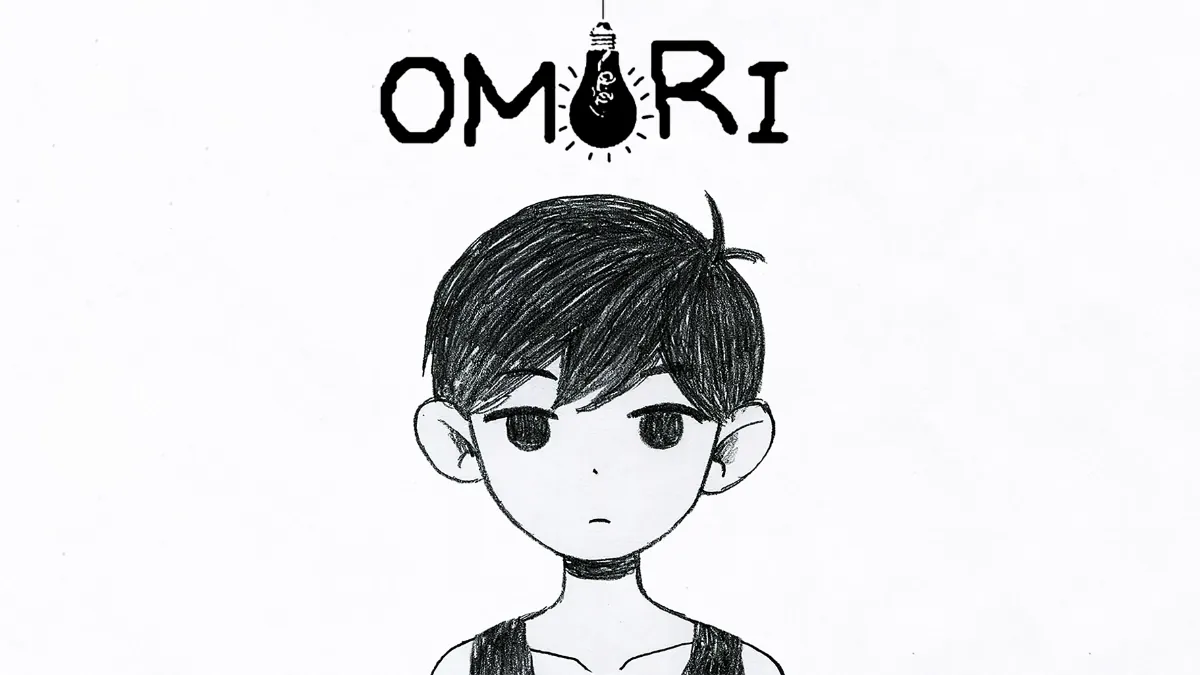
Omori is a 2020 RPG made almost entirely by one person — OMOCAT, based on her webcomic series. It follows a boy named Sunny and his dream world alter ego, Omori, as he navigates between two realities.
One is Headspace — a bright, colorful fantasy world where Omori and his friends go on adventures, fight absurd enemies, and everything is fine. Everything is always fine.
The other is the real world. A suburban house. A bedroom. A boy who hasn’t left in a very long time.
The game switches between these two worlds constantly. At first Headspace feels like the main event — bigger, richer, full of content. The real world sections are short. Quiet. Almost nothing happens.
That imbalance is intentional.
Everything about how Omori is structured is intentional.
The Dream World Feels Warm — Until It Doesn’t
Headspace is genuinely enjoyable for large stretches. The characters are funny and warm. Kel is endlessly energetic in a way that becomes oddly comforting. Hero is steady and kind. Aubrey is passionate and loud. There are dumb side quests and weird NPCs and boss fights that are more absurd than threatening.
You relax into it.
That’s the design. You’re supposed to relax into it. Because the game needs you comfortable before it starts pulling threads.
Small things start appearing. A figure glimpsed at the edge of a scene. An image that flickers for a frame before the normal world returns. A piece of dialogue that lands slightly wrong. Nothing you can point to. Just a background hum of something that doesn’t belong.
The horror in Omori doesn’t announce itself. It accumulates.
The Combat — Honest Take
The emotion system is genuinely clever. Characters have emotional states — Happy, Sad, Angry — that interact with each other in a rock-paper-scissors dynamic. Managing emotions in a tough fight feels rewarding when it works.
The problem is it rarely needs to work for most of the game.
Random encounters are manageable without engaging the system deeply. The early bosses go down easily. It isn’t until much later — when the game deliberately raises the stakes — that the combat system shows what it was always capable of being.
Think of the first 15 hours of combat as setup. Not particularly demanding, occasionally tedious, and not where you should be spending your attention anyway. The story is where you should be spending your attention.
The mid-game drags. This is real. There’s a stretch roughly two-thirds of the way through where the pacing slows and the game asks more of your patience than it’s earned at that point. Some players drop off here.
Push through it. The final act earns everything that came before.
The Real World Sections
These are where the game actually lives.
Short. Sparse. Almost nothing happens in them mechanically. Sunny walks around his neighborhood. Runs into old friends he’s avoided for four years. Tries to function in a world he hasn’t engaged with in a very long time.
The contrast with Headspace is violent. Headspace is saturated and bouncy and full. The real world is muted. Quiet. Everything feels like it’s slightly underwater.
You feel Sunny’s discomfort without the game ever explaining it to you directly. The writing trusts you to pick up what it’s putting down.
And slowly — across both worlds, across all the hours you’ve spent with these characters — a picture assembles itself. Not all at once. Not dramatically. In fragments.
By the time you understand what you’ve been playing through, you won’t be surprised. You’ll feel like some part of you knew the whole time.
The Music
Space Boyfriend, Slime Girls, and Bo En composed the soundtrack and it is one of the best in any indie game, full stop.
Each zone has its own theme. Each battle has its own track. The music in Headspace is warm and slightly strange — exactly what a dream world made by a child would sound like. The real world tracks are quieter. More fragile.
The boss fight themes go hard in ways that feel genuinely earned. When the music shifts for a significant encounter, you feel it before the fight begins.
A few tracks will live in your head for days after you finish the game. Not because they’re catchy. Because they’re attached to moments that stay with you.
Who This Game Is For
If you play RPGs for the combat and progression systems — Omori will frustrate you. The mechanics are functional but never the point.
If you play games for atmosphere and story and the feeling of having experienced something rather than just completed it — this is exactly for you.
If you’re in a difficult place emotionally right now — especially around grief, depression, or anxiety — be careful. This game handles those themes with genuine care. It also handles them without flinching. Check the content warnings on the Steam page and make the call that’s right for you.
If you’re curious whether Omori’s horror elements will actually scare you — there’s a full breakdown of exactly what to expect in terms of scares and heavy subject matter that might help you decide.
What Makes Omori Linger
A lot of games are sad. Fewer games make you feel the specific weight of a particular kind of grief — the kind that comes from guilt rather than just loss. The kind where the grief and the guilt are the same thing, tangled together so tightly you can’t separate them.
Omori understands that.
It understands how avoidance works. How you can build an entire internal world to live inside instead of facing something you’re not ready for. How the people around you drift while you’re in there. How long you can sustain it before the cracks become impossible to ignore.
That understanding is why the game works. Not the horror elements. Not the cute art style. Not the clever emotion system.
The understanding.
Final Verdict
Omori is not a comfortable game. It is not always a fun game. The mid-game is too long and the combat asks more of your time than it deserves.
It is one of the most quietly devastating games ever made.
By the time the credits roll you will have lived through something. Not just watched it — lived it. The game doesn’t let you stay at a safe distance. It closes that gap slowly, over 30+ hours, until you’re sitting with these characters in a way you didn’t plan for.
OMOCAT made this almost entirely alone. One person. Five years.
It shows — in the best possible way.
9/10
FAQ
Is Omori worth playing in 2026? Yes. It came out in 2020 and its reputation has only grown since. The community is still active, the themes are timeless, and nothing else quite fills the space it occupies. Worth every hour.
How long is Omori? A standard playthrough runs around 20-25 hours. If you want to see everything — all routes, all optional content, all endings — budget closer to 40-50 hours.
Does Omori have multiple endings? Yes. The ending you get depends on choices made throughout the game. Some of the most significant moments happen in the final section, but earlier decisions matter too.
Is Omori hard? Not particularly. The combat has a learning curve that the game largely lets you ignore until the late sections. If you’re struggling, leveling up and paying attention to the emotion system will carry you through most encounters.
What platforms is Omori on? PC via Steam, Nintendo Switch, and PlayStation. The Switch version works well in handheld mode — the art style translates cleanly to a smaller screen.
Should I play Omori without spoilers? Yes. This is one of the few games where going in blind meaningfully changes the experience. Avoid walkthroughs, ending guides, and detailed discussions until after your first playthrough. Let the game do what it was designed to do.